

Business Operation · 2025
In this section22 topics
- Corporate Information4 items
- Dividend Policy2 items
- Major Shareholders3 items
- Business Strategies Overview5 items
- Material Changes & Developments1 item
- Use of Proceeds from Securities Offerings2 items
- Commitments Made in the Registration Statement1 item
- Group Operating-Structure Policy1 item
- Companies Where the Company Holds ≥10%1 item
- Shareholders with Potential Conflict of Interest1 item
- Relationships Among Major Shareholders1 item
- Shareholders' Agreement1 item
- Shareholding Diagram (Group Structure)4 items
- Income Structure3 items
- Product / Service Characteristics2 items
- Research & Development4 items
- Assets Used in the Business4 items
- Marketing Policy & Competition2 items
- Procurement of Products & Services2 items
- Projects Under Construction1 item
- Debentures & Bills of Exchange3 items
- Convertible Securities1 item
Corporate Information
Company Name
PTG ENERGY PUBLIC COMPANY LIMITED
Telephone
0-2168-3377, 0-2168-3388
Website
www.ptgenergy.co.th
ir@pt.co.th, csp@pt.co.th
Dividend Policy
Dividend Policy
The Company has a policy to pay dividends to shareholders at the rate of not less than 30% of the net profit of the separate financial statements after deducting tax and legal reserve funds and other reserves (if any). However, such dividend payment is subjected to change, depending on performance, financial position, liquidity, working capital needs, investment plans, future business expansion, market conditions, suitability and other factors related to the operations and management of the Company. This is contingent upon the condition that the Company has sufficient cash for business operations and that it will result in the maximum benefit of the shareholders as the Board of Directors and/or the shareholders deems appropriate. Any resolution of the Board of Directors approving the dividend payment must be proposed to the shareholders' meeting for approval, except for interim dividend payment, which can be approved by the Board of Directors, and then reported to the general meeting of shareholders for acknowledgment at the following meeting.
Historical Dividend Payments
| This Year | Last Year | 2 Years Ago | 3 Years Ago | 4 Years Ago | Metric | Description |
|---|---|---|---|---|---|---|
| 0.7 | 0.59 | 0.34 | 0.34 | 0.46 | Net profit per share (Baht : Share) | Net profit per share (baht : share) |
| 0.35 | 0.35 | 0.35 | 0.4 | 0.25 | Dividend per share (Baht : Share) | Dividend per share (baht : share) |
| 0 | 0 | 0 | 0 | 0 | Dividend stock ratio (Number of original shares: dividend shares) | Ratio of stock dividend payment (existing share : stock dividend) |
| 0 | 0 | 0 | 0 | 0 | Dividend share value per share (Baht : Share) | Value of stock dividend per share (baht : share) |
| 0.35 | 0.35 | 0.35 | 0.4 | 0.25 | Total dividend payment value (Baht : Share) | Total dividend payment (baht : share) |
| 50.12 | 59.47 | 104.38 | 119.05 | 54.76 | Dividend payout ratio to net profit (%) | Dividend payout ratio compared to net profit (%) |
Business Strategies Overview
Chairman's Message
Dear Shareholders,
In 2025, the business sector continued to face considerable volatility arising from both economic conditions and structural changes within the energy industry. Rapid shifts in consumer behavior, together with intensifying market competition, have presented significant challenges to the adaptability of organizations. Amid such circumstances, PTG Energy Public Company Limited (“the Company”) has continued to conduct its operations with prudence and discipline, maintaining the strength of its core businesses while systematically preparing the organization for sustainable long-term growth.
From Infrastructure Strength to Everyday Value Creation
2025 represents an important phase in the Company’s strategic transition from an organization built upon the strength of energy infrastructure to a Multi-Brand Retail and Lifestyle Ecosystem that increasingly plays a role in various aspects of people’s daily lives. Through the integration of products, services, and digital platforms within a connected ecosystem, the Company aims to deliver sustainable value to customers, society, and shareholders.
Oil Business: A Strong and Stable Foundation
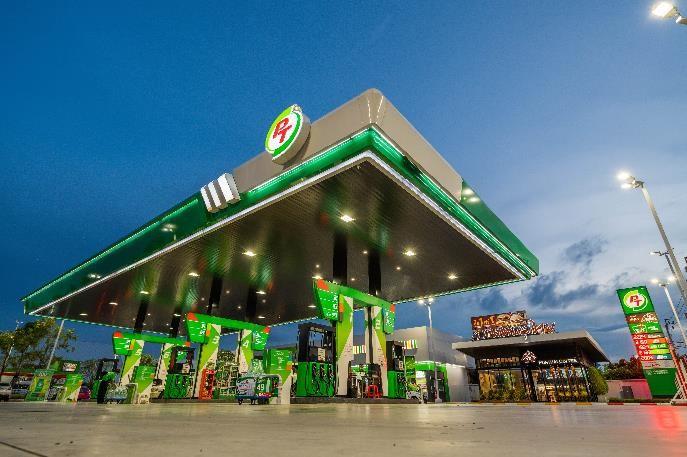
Throughout the past year, the oil business has continued to serve as a key foundation of the Company’s operations. The Company has maintained its position as a leading player in the retail oil market through its nationwide network of PT service stations. At the same time, the Company has continued to enhance the role of its service stations beyond energy service points, transforming them into platforms that integrate a wide range of products and services, including food and beverages, mobility-related services, and comprehensive automotive services. The trust and confidence that customers place in the PT brand remain a fundamental pillar supporting the expansion of other businesses within the Company’s ecosystem.
Non-Oil Business: A Strategic Driver of Growth
The Non-Oil business has increasingly become a strategic driver of growth and plays an important role in strengthening the Group’s revenue and profit structure. PunThai Coffee has continued to expand its network, reaching more than 2,100 branches nationwide as of the end of 2025. The brand has also evolved from a station-based coffee shop into a destination coffee brand that customers actively choose to visit. This development reflects the strength of the brand, the scalability of its expansion model, and its competitiveness at the national level. In parallel, the Company’s food, retail, and automotive service businesses, including Subway, Max Mart, and Autobacs, contribute to strengthening the ecosystem and increasing the frequency of customer engagement in everyday life. As a result, the Company is able to become part of multiple moments in customers’ daily activities, extending beyond travel-related services alone.
Digital Platforms: Connecting the Ecosystem
The PT Max Card membership program and the Max Me application have become key mechanisms in connecting customers with the Company’s ecosystem in a systematic manner. The relationship between the Company and its customers has gradually evolved from transactional interactions to long-term engagement driven by data, customer insights, and the value delivered through the ecosystem. These digital platforms enable the Company to gain deeper insights into customer behavior and preferences, thereby supporting the continuous development of products and services that better respond to everyday needs.
Enhancing Service Stations into Lifestyle Destinations
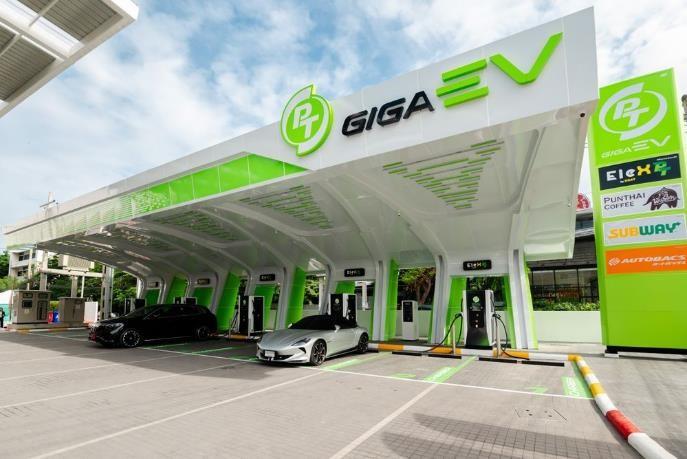
The development of new station formats, such as PT Max Rest and PT GIGA EV, reflects the Company’s direction in integrating alternative energy solutions, food services, and lifestyle offerings within a single destination. Consequently, PT service stations are evolving beyond traditional stopover points into destinations that provide meaningful experiences and value for customers throughout their journeys.
Strengthening Organizational Structure and Unlocking Value
During 2025, the Company also continued to strengthen its organizational structure in order to support long-term growth. The listing of Atlas Energy Public Company Limited (“ATLAS”), a subsidiary of the Company, on the Stock Exchange of Thailand (“SET”) represents an important milestone in aligning the Group’s business structure with the potential of its operations. This development has also enhanced governance standards, transparency, and management practices, allowing the value created within the Group to be reflected more clearly while strengthening the Company’s overall foundation for sustainable expansion in the future.
Recognized Achievements and the Strength of Our People
The Company’s progress during the year has been widely recognized by external institutions. The Company was ranked 48th among the companies with the highest revenues in Southeast Asia in the Fortune Southeast Asia 500, an improvement of 10 places from the previous year. In addition, the Company received the Product of the Year award from Business+ magazine. These recognitions reflect not only the quality of the Company’s products and services but also the capabilities and dedication of our employees. For the Company, however, the true measure of success lies in the ability to create sustainable value for customers, business partners, society, and shareholders.
Strategic Outlook
The transformation undertaken in 2025 represents only the beginning of the Company’s long-term journey from an energy company toward becoming a Multi-Brand Retail and Lifestyle Ecosystem that plays a more meaningful role in people’s everyday lives. Built upon a strong operational foundation, an integrated ecosystem, and deeper customer insights, the Company will continue to elevate its approach from expansion toward value creation.
Going forward, the Company will shift its focus from expansion to value creation, placing greater emphasis on the quality of growth, balanced portfolio management, and the integration of its businesses to strengthen synergies. At the same time, the Company will continue to leverage technology and data to enhance customer experience and improve organizational agility.
Finally, I would like to express my sincere appreciation to our shareholders, business partners, suppliers, and employees for your continued trust, commitment, and support. The Company remains committed to responsible growth under the ESG framework, with the objective of creating long-term confidence among all stakeholders and contributing to the improvement of people’s quality of life so that they may “well-being and contentedness” throughout every stage of life.
Vision
The Company remains committed to its Vision: “To be the Most Trusted Platform Energizing Quality and Empowering Opportunity Filled Life” and its Mission: “Co-create sustainable growth and opportunities for communities everywhere, through high-quality, customer-obsessed, energy and integrated services.”
Objectives
The Company’s objective is to achieve stable and sustainable long-term growth by maintaining its leadership in the oil retail business while strategically expanding and diversifying its Non-Oil business portfolio. This approach enhances revenue resilience, strengthens competitive capabilities, and enables the Company to adapt to evolving consumer behavior, technological advancements, and future energy trends. The Company is equally committed to creating shared value for all stakeholders, guided by strong corporate governance and sustainable development principles.
Goals
The Company aims to drive balanced growth across both Oil and Non-oil businesses, with a strategic target to increase the Non-Oil gross profit contribution to 50% by 2028. This will be supported by strengthening the Max World ecosystem through a growing membership base, expanding business networks and partnerships, and investing in future-ready businesses, ultimately fostering sustainable growth and long-term value creation for shareholders.
Business Strategies
Operational Strategies
In 2025 and beyond, the Company continues to advance its core strategies to address the evolving economic, technological, and environmental landscapes in Thailand and beyond. As the world transitions toward sustainable energy solutions and digital-driven ecosystems, the Company continues to reinforces its leadership in the downstream oil industry while consistently expanding its Non-Oil business portfolio to enhance long-term business balance and resilience. To support sustainable growth, the Company has established a strong foundation through continuous network expansion, service development, and revenue diversification to mitigate risk. The Company remains focused on achieving its target of increasing Non-Oil gross profit to 50% by 2028, encompassing businesses such as food and beverage, convenience retail, logistics and transportation, automotive service and maintenance, renewable energy, and digital platforms. These efforts reflect the Company’s commitment to sustainable value creation in response to changing consumer behaviors and global energy transition trends.
The Company drives strategic growth through the evolution of its platform from Max Card to Max Growth, and further into Max World, a fully integrated business ecosystem that connects customers, partners, and group companies. With a membership base of over 25 million members, the transformation of the membership platform from a relationship-building tool into a growth engine has enabled the Company to expand business opportunities, increase customer engagement frequency, and create shared value with partners across multiple industries, including food and beverage, retail, EV charging services, and waste management.
This success is reflected in the strong growth of businesses within the ecosystem. Notable examples include Punthai Coffee Company Limited (“PUN”), which has achieved significant growth driven by its member base and has received awards recognizing its success in expanding through the membership ecosystem. In addition, the automotive service and maintenance business Siam Autobacs Company Limited (“SAB” or “Autobacs”) has grown in parallel with the increased utilization of member benefits. The ecosystem has been further strengthened by the entry of Goluck Company Limited (“GL”), which manages and operates the franchise business of the American fast-food brand Subway in Thailand, enhancing ecosystem robustness and offering greater choice to customers. At the same time, the Company has expanded investments into future-oriented businesses, including EV charging services under the brand “Elex by EGAT PT,” and the launch of “PT Giga EV,” a comprehensive, modern, lifestyle-oriented flagship EV charging station located in an urban area. The Company has also invested in waste management businesses to support clean energy trends and long-term sustainable development.
In parallel, the Company continues to maintain its leadership in the Oil Retail business while elevating its operational approach by placing the concept of “well-being and contentedness” at the core of its business operations. This approach drives strategic growth that delivers sustainable positive impacts on Thailand’s economy, society, and environment.
Furthermore, in 2025, a subsidiary of the Company, Atlas Energy Public Company Limited (“ATLAS”), was successfully listed on the Stock Exchange of Thailand, with its initial public offering completed on October 20, 2025. At the same time, the Company has been preparing other subsidiaries—PunThai Coffee Company Limited (“PUN”) and Siam Autobacs Company Limited (“SAB”), for potential future listings, to further enhance competitiveness and support long-term sustainable value creation.
The Company operates under an organizational culture grounded in the “BEST” core values, comprising “B” (Break Through the Limit); “E” (Embrace Empathy); “S” (Succeed Together); and “T” (Cultivate Trust). These values form a critical foundation for innovation, drive sustainable growth, and strengthen leadership across both the energy business and related industries in Thailand. The Company places people at the center of its operations, promoting agile, fast, and flexible ways of working to effectively navigate uncertainty and emerging challenges. At the same time, the Company remains committed to its mission of connecting people’s lives, standing alongside them on every journey, and jointly driving a sustainable future for Thailand with resilience and stability.
Company’s Operational Strategies
The year 2025 represents a period of transformation for the Company. It continues to focus on six core strategies designed to enhance adaptability in response to rapidly evolving economic, social, and technological environments. These strategies are also aligned with structural changes in Thailand’s energy sector, global sustainability trends, as well as advancements in artificial intelligence (AI) and digital technologies, as outlined below:
1. Growth
The Company aims to maintain its leadership in Thailand’s Oil Retail business while accelerating tangible growth in its Non-Oil businesses. These include food and beverage, convenience retail, logistics and transportation, automotive service and maintenance, renewable energy, and digital platforms. This diversified approach is designed to create a balanced and flexible revenue structure capable of adapting to future changes in the energy industry and evolving consumer behavior. The Company drives growth through a comprehensive business expansion strategy, encompassing both the expansion of its oil service station network and the increase of Non-Oil touchpoints within the Max World ecosystem. In 2025, the Company continued to expand its footprint, operating 2,269 oil service stations nationwide, while its Non-Oil businesses collectively accounted for more than 3,857 touchpoints. This strategic network expansion focuses on integrating services across both Oil and Non-Oil businesses and leveraging the PT Max Card membership program and the Max Me platform as key mechanisms to increase usage frequency and foster mutually reinforcing growth across the Group.
2. Brand
The Company is focused on strengthening its brand to align with digital-era consumer behavior, with a particular emphasis on engaging younger generations who value experience, lifestyle relevance, convenience, value for money, and meaningful brand interaction.
Accordingly, the Company is evolving its brand beyond products and services to become an integral part of everyday life. This is achieved through omni-channel experience design and the expansion of digital touchpoints via the Max Me platform, which supports mobile-first usage and personalized experiences. In parallel, the Company actively builds strategic partnerships across diverse industries to co-create value and deliver new experiences that resonate with consumer lifestyles across different life stages.
3. Network
The Company is focused on expanding and enhancing its business network through the PT Max Card membership program and the Max Me digital platform to better meet customer needs. In 2025, the Company had a membership base of over 25 million members, together with strategic partners operating more than 2 million service points nationwide, covering both oil service stations and Non-Oil businesses within the Max World ecosystem. This network enables a seamless, connected customer experience, increases usage frequency, expands collaboration with partners, and serves as a key mechanism in driving the Company’s sustainable growth.
4. Technology
The Company places strong emphasis on technology and digital innovation as core enablers of sustainable growth. In 2025, the Company upgraded the Max Me e-Wallet into a comprehensive digital solution, seamlessly integrating payments, fuel purchases, Non-Oil services, and the PT Max Card membership system. At the same time, the Company has embedded AI and data analytics at the heart of its operations to enhance efficiency, agility, and the delivery of personalized customer experiences, supporting business growth in the digital economy era.
5. People
The Company drives the organization under a “Modular Organization” working culture, empowering independent, agile units to enhance flexibility and adaptability in support of its growth strategy in 2025. The Company promotes cross-functional collaboration, data-driven decision-making, and the development of visionary leadership, while empowering employees to respond swiftly to business changes. Amid diversified business expansion, the Company places strong emphasis on developing employee capabilities through training, upskilling, and continuous learning, alongside leveraging technology as an innovation enabler. These efforts aim to build a resilient organization capable of driving sustainable long-term growth.
6. Sustainability
The Company operates its business based on the principle of Creating Shared Value (CSV), integrating economic, social, and environmental growth to enhance the quality of life of all stakeholders in a balanced manner. This approach aligns with the Company’s vision of connecting opportunities to better living and contentedness across all stages of life. In 2025, the Company established its sustainability strategy in alignment with the United Nations Sustainable Development Goals (SDGs) and key Environmental, Social, and Governance (ESG) challenges, with a focus on strengthening long-term stability and growth. The strategy is structured across three core dimensions:
Environmental (Carbon Neutrality 2030): The Company aims to achieve carbon neutrality by 2030 through operational efficiency improvements, natural resource restoration, business transformation toward clean energy, and the utilization of green financing mechanisms.
Social (Empowering Lives): The Company is committed to enhancing the quality of life of communities, employees, and consumers by supporting grassroots economies, fostering a strong organizational culture, and delivering high-quality, safe products and services.
Governance (Growth with Governance): The Company emphasizes transparent, ethical, and responsible corporate governance by extending ethical standards across its supply chain and delivering sustainable shareholder returns through comprehensive risk management.
Through the execution of its six strategic pillars—Growth, Brand, Network, Technology, People, and Sustainability, the Company is well positioned to navigate the challenges arising from changes in the energy industry and a volatile business environment, while capitalizing on opportunities for innovation, business expansion, and prudent risk diversification.
These strategies reflect the Company’s approach to achieving stable and sustainable growth in alignment with Thailand’s evolving energy landscape and changing consumer behaviors, while remaining focused on long-term value creation and sustainable growth for customers, partners, communities, society, and the environment.
The Company remains committed to building a sustainable future by integrating business growth, technology, and a strong ecosystem, advancing toward leadership excellence and enhancing quality of life across all dimensions of society.
Material Changes & Developments
Material Changes & Developments
| Year | Description |
|---|---|
| 2,025 |
|
| 2,024 |
|
| 2,023 |
|
| 2,022 |
|
Use of Proceeds from Securities Offerings
Is There Money Raised from a Securities Offering Still to Report On?
Yes
Offerings
| Type of Securities | Amount Raised Given As | Amount Raised (Million Baht) | Uses of the Money | Used as Declared? | Progress / Reasons and Measures if Not Used as Declared | Related Link |
|---|---|---|---|---|---|---|
| Debt Instruments | 2873 | 1,000,000,000 | 2025-12 · Objective: To be used for investment in the Company and its subsidiaries in businesses related to the Group’s existing operations. · Period type: 2871 · Start period: 2025-12 · Spent amount type: 2873 · Start spent amount: 928435240.0 · Expected amount type: 2873 · Start expected amount range: 928435240.0 | Y | In accordance with the planned use of proceeds | https://investor.ptgenergy.co.th/en/corporate-information/business-overview/renewable-energy-business |
Commitments Made in the Registration Statement
Are There Commitments or Conditions from an Offering or Listing?
No
Group Operating-Structure Policy
Description
The Company consists of eight groups of businesses as follows:
1) Oil and Retail Business
2) LPG Business
3) Renewable Energy and Investment Business
4) Logistics Business
5) System and Equipment Management Business
6) Food and Beverage Business
7) Auto Care and Maintenance Business
8) Electronic Money Business (e-Money)
In this regard, the Company is determined to operate the business with the aim of satisfying consumers needs in a comprehensive manner.
Companies Where the Company Holds ≥10%
Companies (≥10% Holding)
| Company Name | Address | Province | Zip Code | Telephone | Fax | Business Type | Security Type | Shares | Paid-up Shares |
|---|---|---|---|---|---|---|---|---|---|
| Petroleum Thai Corporation Co., Ltd. | 90 CW Tower A 33rd Floor, Ratchadaphisek Road, Huaykwang, Huaykwang | Bangkok | 10310 | 0-2168-3377, 0-2168-3388 | 0-2168-3379, 0-2168-3389 | 1. Fuel trader under Section 11 2. Convenience store business at petrol stations | Common shares | 6,000,000 | 6,000,000 |
| Pyramid Oil Co., Ltd. | 90 CW Tower A 33rd Floor, Ratchadaphisek Road, Huaykwang, Huaykwang | Bangkok | 10310 | 0-2168-3377, 0-2168-3388 | 0-2168-3379, 0-2168-3389 | Fuel trader under Section 10 | Common shares | 10,000 | 10,000 |
| Empire Oil Co., Ltd. | 90 CW Tower A 33rd Floor, Ratchadaphisek Road, Huaykwang, Huaykwang | Bangkok | 10310 | 0-2168-3377, 0-2168-3388 | 0-2168-3379, 0-2168-3389 | Fuel trader under Section 10 | Common shares | 10,000 | 10,000 |
| Everest Oil Co., Ltd. | 90 CW Tower A 33rd Floor, Ratchadaphisek Road, Huaykwang, Huaykwang | Bangkok | 10310 | 0-2168-3377, 0-2168-3388 | 0-2168-3379, 0-2168-3389 | Fuel trader under Section 10 | Common shares | 10,000 | 10,000 |
| Alpine Oil Co., Ltd. | 90 CW Tower A 33rd Floor, Ratchadaphisek Road, Huaykwang, Huaykwang | Bangkok | 10310 | 0-2168-3377, 0-2168-3388 | 0-2168-3379, 0-2168-3389 | Fuel trader under Section 10 | Common shares | 10,000 | 10,000 |
| BPTG Co., Ltd. | 90 CW Tower A 33rd Floor, Ratchadaphisek Road, Huaykwang, Huaykwang | Bangkok | 10310 | 0-2168-3377, 0-2168-3388 | 0-2168-3379, 0-2168-3389 | Fuel trader under Section 11 | Common shares | 1,000,000 | 1,000,000 |
| Atlas Energy Pub Co., Ltd. | 90 CW Tower A 24th Floor, Ratchadaphisek Road, Huaykwang, Huaykwang | Bangkok | 10310 | 0-2168-3377, 0-2168-3388 | 0-2168-3379, 0-2168-3389 | Fuel trader under Section 11 | Common shares | 1,418,420,000 | 1,418,420,000 |
| Oil Co., Ltd. | 90 CW Tower A 24th Floor, Ratchadaphisek Road, Huaykwang, Huaykwang | Bangkok | 10310 | 0-2168-3377, 0-2168-3388 | 0-2168-3379, 0-2168-3389 | Fuel trader under Section 11 | Common shares | 1,000,000 | 1,000,000 |
| PTG Green Energy Co., Ltd. | 90 CW Tower A 33rd Floor, Ratchadaphisek Road, Huaykwang, Huaykwang | Bangkok | 10310 | 0-2168-3377, 0-2168-3388 | 0-2168-3379, 0-2168-3389 | 1. Fuel trader under Section 10 2. Generate and distribute alternative energy | Common shares | 1,000,000 | 1,000,000 |
| Max Venture Co., Ltd. | 90 CW Tower A 33rd Floor, Ratchadaphisek Road, Huaykwang, Huaykwang | Bangkok | 10310 | 0-2168-3377, 0-2168-3388 | 0-2168-3379, 0-2168-3389 | Business of operate an investment business or join in investment to seek benefits in business and venture of all forms, all manners, and all areas, both domestically and internationally, with natural persons or juridical persons, and all types of organizations within or outside the country, either in the public sector or the private sector, whether or not the business or venture it invests in, or co-invests in, or the co-investor(s), has objectives that are same as, similar to, or different from those of the Company. | Common shares | 1,000,000 | 1,000,000 |
| Palangngan Pattana 5 Co., Ltd. | 62/45 Asia Road, Ban Phu, Hat Yai, | Songkhla | 90250 | 074-216-342 | 074-217-075 | Business of waste management system to generate electricity, waste power plant, solar energy, thermal power, biomass electricity from hydro power, wind power, gas turbine power, renewable gas, other renewable energy, and including the installation of electricity transmission system, which is sent from the production source to the power supply. | Common shares | 3,000,000 | 3,000,000 |
| Clean Community Co., Ltd. | 731 PM Tower, 5th Floor, Asok-Din Daeng Road, Din Daeng Subdistrict, Din Daeng District | Bangkok | 10400 | 063-0796328 | Engaged in the treatment and disposal of non-hazardous waste using biological methods. | Common shares | 250,000 | 250,000 | |
| PPP Green Complex Pub Co., Ltd. | 321 Village No.5, Chang Raek, Bang Saphan Noi | Prachabkirikhan | 77170 | 032-909-611 | Business of palm oil refinery by producing and distributing crude palm oil which extracted from raw palm, latex concentrate production business, and processed latex business of biomass (Bio-gas) from the waste from the production process of crude palm oil and the latex processing. | Common shares | 1,600,000 | 1,600,000 | |
| Thai Paiboon Equipment Co., Ltd. | 8/19, Moo 5, Nadi Subdistrict, Mueang Samut Sakhon District | Samut Sakhon | 74000 | 0-3483-1192 | Waste management | Common shares | 1,884,660 | 1,884,660 | |
| PTG Logistics Co., Ltd. | 90 CW Tower A 33rd Floor, Ratchadaphisek Road, Huaykwang, Huaykwang | Bangkok | 10310 | 0-2168-3377, 0-2168-3388 | 0-2168-3379, 0-2168-3389 | Business of fuel, gas, and goods logistics services, including passenger transportation by land, sea, air both domestically and internationally. | Common shares | 4,000,000 | 4,000,000 |
| AMA Marine Pub Co., Ltd. | 33/4 The 9th Towers, Tower A, 33rd Floor, Room #TNA02, Rama 9 Road, Huaykwang, HuayKwang | Bangkok | 10310 | 0-2001-2801 | 0-2001-2800 | Business of transportation liquid products using liquid cargo ships and trucks. | Common shares | 517,916,773 | 517,916,773 |
| Threesixty Supply Chain Co., Ltd. | 2170 Bangkok Tower 8th Floor, Room 803-804, New Petchburi Road, Huaykwang, | Bangkok | 10310 | 0-2096-6360 | Business of operate as a transport and logistics intermediary in the form of an online platform in order to provide transportation services using commercial vehicles and related businesses. | Common shares | 70,000 | 70,000 | |
| Empire Service Solution Co., Ltd. | 9/15 Village No.6, Sawaipracharaj Road, Lat Sawai, Lam Luk Ka District | Pathum Thani | 12150 | 0-2024-8663-4, 0 2101 1743 | 0-2101-1744 | Business of management system, management of equipment and machines, including to provide services regarding programs, instructions and software relating to such business. | Common shares | 100,000 | 100,000 |
| Innoligent Automation Co., Ltd. | 90 CW Tower A 33rd Floor, Ratchadaphisek Road, Huaykwang, Huaykwang | Bangkok | 10310 | 0-2168-3377, 0-2168-3388 | 0-2168-3379, 0-2168-3389 | Business of management of controller fuel dispenser. | Common shares | 55,000 | 55,000 |
| Punthai Coffee Co., Ltd. | 90 CW Tower A 33rd Floor, Ratchadaphisek Road, Huaykwang, Huaykwang | Bangkok | 10310 | 0-2168-3377, 0-2168-3388 | 0-2168-3379, 0-2168-3389 | Selling coffee, tea, beverage, and food and operating coffee shop under the name “Punthai Coffee”. | Common shares | 12,000,000 | 12,000,000 |
| GFA Corporation (Thailand) Co., Ltd. | 90 CW Tower A 33rd Floor, Ratchadaphisek Road, Huaykwang, Huaykwang | Bangkok | 10310 | 0-2168-3377, 0-2168-3388 | 0-2168-3379, 0-2168-3389 | Business of sales of coffee, tea, beverage, and food under brand Coffee World. | Common shares | 95,000 | 95,000 |
| Go Luck Co., Ltd. | 90 CW Tower A 33rd Floor, Ratchadaphisek Road, Huaykwang, Huaykwang | Bangkok | 10310 | 0-2168-3377, 0-2168-3388 | 0-2168-3379, 0-2168-3389 | Restaurant management | Common shares | 50,000 | 50,000 |
| Go Subway Co., Ltd. | 90 CW Tower A 33rd Floor, Ratchadaphisek Road, Huaykwang, Huaykwang | Bangkok | 10310 | 0-2168-3377, 0-2168-3388 | 0-2168-3379, 0-2168-3389 | Restaurant management | Common shares | 30,000 | 30,000 |
| Jitramas Co., Ltd. | 36/29 Village No.13 Bueng Kham Phroi, Lam Luk Ka | Pathum Thani | 12150 | 08-4910-0100 | Business of operate the business of manufacturing, importing, exporting, selling, possessing, extracting, retailing, wholesaling, being a distributor and processing food, beverages, medicines, dietary supplements, consumer products, cosmetics, traditional medicines, including all types of goods or products derived from herbal plants. | Common shares | 450,000 | 450,000 | |
| Whole Gain Co.,Ltd. | 36/29, Moo 13, Bueng Kham Phroi Subdistrict, Lam Luk Ka District | Pathum Thani | 12150 | 0-2168-3377, 0-2168-3388 | Manufacturing and selling of food, bakery, pastries and beverage | Common shares | 50,000 | 50,000 | |
| Greenovate Co., Ltd. | 2170 Bangkok Tower 18th Floor, New Petchburi Road, Bang Kapi, Huaykwang | Bangkok | 10310 | 0-2308-0117 | 0-2308-0119 | Business of manufacturing, exporter, importer, distribution, distillation, retailer, wholesaler, reseller and processing; food beverages, medicines, food supplement, consumer products, cosmetics, traditional medicine and; Herb and plant product. | Common shares | 200,000 | 200,000 |
| Siam Autobacs Co., Ltd. | 90 CW Tower A 33rd Floor, Ratchadaphisek Road, Huaykwang, Huaykwang | Bangkok | 10310 | 0-2295-0730 | 0-2295-0738 | Business of car service center and car repair center under brand “Autobacs”. | Common shares | 16,990,000 | 16,990,000 |
| Max Card Co., Ltd. | 90 CW Tower A 33rd Floor, Ratchadaphisek Road, Huaykwang, Huaykwang | Bangkok | 10310 | 0-2168-3377, 0-2168-3388 | 0-2168-3379, 0-2168-3389 | Business of electronic financial services (e-money). money transfer services. through e-money transfer, payment facilitating service and bill payment service. | Common shares | 2,000,000 | 2,000,000 |
| Max Solution Service Co., Ltd. | 90 CW Tower A 33rd Floor, Ratchadaphisek Road, Huaykwang, Huaykwang | Bangkok | 10310 | 0-2168-3377, 0-2168-3388 | 0-2168-3379, 0-2168-3389 | Business of providing support services to the issuer or recipient of the electronic card or the seller of goods or commercial services. | Common shares | 10,000 | 10,000 |
| Max Me Corp Co., Ltd. | 90 CW Tower A 33rd Floor, Ratchadaphisek Road, Huaykwang, Huaykwang | Bangkok | 10310 | 0-2168-3377, 0-2168-3388 | 0-2168-3379, 0-2168-3389 | 1. Fuel trader under Section 10 2. Business of operate a business to provide e-commerce system development services for general business operators. | Common shares | 10,000 | 10,000 |
| Max Alphabet Co., Ltd. | 90 CW Tower A 33rd Floor, Ratchadaphisek Road, Huaykwang, Huaykwang | Bangkok | 10310 | 0-2168-3377, 0-2168-3388 | Management of information technology | Common shares | 200,000 | 200,000 | |
| Maxbit Digital Assets Co., Ltd. | 90 CW Tower A 27th Floor, Ratchadaphisek Road, Huaykwang, Huaykwang | Bangkok | 10310 | 02-026-6630 | Business of digital currency exchange, digital assets seller and foreign currency exchange. | Common shares | 60,000,000 | 60,000,000 | |
| Paisan Capital Co., Ltd. | 613/38 Phahonyothin Road, Pak Phriao Subdistrict, Mueang Saraburi District | Saraburi | 18000 | 02-158-7788 | Financial leasing for car and truck | Common shares | 150,000,000 | 150,000,000 | |
| Punthai Boat Noodles Co., Ltd. | 90 CW Tower A 33rd Floor, Ratchadaphisek Road, Huaykwang, Huaykwang | Bangkok | 10310 | 0 2168 3377, 0 2168 3388 | Trading of food and beverage | Common shares | 500,000 | 500,000 |
Income Structure
Product / Service Income
| Category | Description | This Year | This Year % | Last Year | Last Year % | 2 Years Ago | 2 Years Ago % |
|---|---|---|---|---|---|---|---|
| Total revenue from operations | Total revenue from operations | 225,082,540 | 100 | 226,510,330 | 100 | 199,232,010 | 100 |
| Revenue from Fuel Retailing through the Company's Petrol Stations (COCO Stations) | 172,976,110 | 76.85 | 176,030,790 | 77.71 | 156,019,170 | 78.31 | |
| Revenue from Fuel Wholesaling through the Company's Dealers (DODO Stations) | 25,015,730 | 11.11 | 27,183,680 | 12 | 24,552,410 | 12.32 | |
| Revenue from Fuel Wholesaling to Other Fuel Traders and Industrial Operators | 2,695,470 | 1.2 | 4,640,740 | 2.05 | 4,551,550 | 2.28 | |
| Retail Business or Revenue from Max Mart Convenience Store | 2,073,090 | 0.92 | 2,040,880 | 0.9 | 2,024,000 | 1.02 | |
| Revenue from the LPG business | 10,337,240 | 4.59 | 9,539,890 | 4.21 | 7,563,940 | 3.8 | |
| Revenue from Logistics and Warehouse Business | 3,016,730 | 1.34 | 1,135,290 | 0.5 | 280,160 | 0.14 | |
| Revenue from Food and Beverage Business | 5,936,070 | 2.64 | 1,682,080 | 0.74 | 1,241,000 | 0.62 | |
| Other | Others | 3,032,100 | 1.35 | 4,256,980 | 1.88 | 2,999,780 | 1.51 |
Export Income
| Category | Description | This Year | This Year % | Last Year | Last Year % | 2 Years Ago | 2 Years Ago % |
|---|---|---|---|---|---|---|---|
| Total revenue | Total revenue | 225,082,540 | 100 | 226,510,330 | 100 | 199,232,010 | 100 |
| Domestic | Domestic | 225,082,540 | 100 | 226,510,330 | 100 | 199,232,010 | 100 |
| International | International | 0 | 0 | 0 | 0 | 0 | 0 |
Other Income
| Operating Other Income | Non-Operating Other Income | Share of Profit |
|---|---|---|
| 1710 · As of year: 0.0 · Description: Total other income · As of yesteryear: 0.0 · As of year before yesteryear: 0.0 · 1711 · As of year: 0.0 · Description: Other income from operations · As of yesteryear: 0.0 · As of year before yesteryear: 0.0 | 1712 · As of year: 0.0 · Description: Other income not from operations · As of yesteryear: 0.0 · As of year before yesteryear: 0.0 | 1713 · As of year: 164052.58 · Description: Share of profit · As of yesteryear: 125251.23 · As of year before yesteryear: 33440.93 |
Product / Service Characteristics
Business Type
3115
Business Groups
| Business Group | Description |
|---|---|
| Oil and Retail Business | Oil Business Fuel products of the Company and subsidiaries can be divided into 2 main types as follows :
The majority of the fuel products sold by the Company are Diesel, as commercial vehicle users represent the Company’s primary customer base, both directly and indirectly. Consequently, the Company’s fuel sales volume is closely aligned with the types of registered vehicles in Thailand, most of which use diesel fuel. In addition, the Company has increasingly expanded its business presence in Bangkok and surrounding metropolitan areas, together with the continued return of customers within the PT Max Card, PT Max Card Plus, and PT Max Card Plus EV membership bases. As a result, the proportion of gasoline sales has gradually increased since 2021.
Sales proportion between Diesel fuel and Benzene fuel The Company operates in the fuel trading business through two types of service stations: Company Owned Company Operated (COCO) stations, managed by Petroleum Thai Corporation Company Limited (“PTC”), a subsidiary, and Dealer Owned Dealer Operated (DODO) stations. The latter purchase fuels from the Company and its subsidiaries, which act as traders under Section 10. In this capacity, the Company provides guidance and support to these dealers on matters such as station layout design, investment strategies, and operational management. The distribution of diesel fuel and benzene fuel sales at each station varies based on the preferences and needs of the target customers in the vicinity. Moreover, the Company operates as an oil trader under Section 10, supplying fuels wholesale to other oil traders and industrial operators requiring large volumes of oil per batch. The purposes of these purchases may vary; for example, to resell the products to other oil traders or utilize them in manufacturing processes within their industrial facilities. EV Charging Station Business The Company recognizes the ongoing transition of the energy industry and the increasing adoption of electric vehicles (EVs) among consumers. In response, the Company has adopted a proactive strategy to further develop its service stations to support all forms of energy products. In 2021, the Company enhanced its service capabilities through a strategic partnership with the Electricity Generating Authority of Thailand (EGAT), a leader in energy infrastructure, to launch EV charging stations under the brand “EleX by EGAT PT.” In addition, the Company has developed a new service station model under the concept of “PT GIGA EV,” serving as a prototype for urban EV users. The model is designed to be compact, space-efficient, and strategically located, with its first station situated in the Lat Phrao–Wang Hin area. Notably, this station operates as a fully EV-dedicated facility with no conventional fuel dispensers, supporting high-throughput usage and delivering a seamless, integrated customer experience. At present, the Company continues to expand its EV charging network across the country, focusing on strategic locations along major highways and key tourist destinations to support the growth of the EV industry. This initiative also aligns with the Company’s commitment to promoting clean energy and reducing greenhouse gas emissions, thereby contributing to long-term environmental sustainability. The Company’s EV charging stations serve both Plug-in Hybrid Electric Vehicles (PHEV) and Battery Electric Vehicles (BEV). The stations are designed to deliver a fast and efficient charging experience through DC Fast Charging technology, supporting charging capacity of up to 180 kW for passenger vehicles. Customers can conveniently access the service through the “EleXA” mobile application, which enables users to locate charging stations, scan QR codes to initiate charging, and complete payment. Two service formats are available:
In addition, the Company integrates these services into the PTG business ecosystem through the PT Max Card membership program to provide enhanced benefits to customers. These benefits include the accumulation of Max Points from charging expenditures and charging discounts for Max Card Plus EV members, who receive two privileges per month valued at THB 50 per privilege. The program is further integrated with PTG’s Non-Oil businesses, such as PunThai Coffee and Max Mart convenience stores, creating added value and delivering a seamless lifestyle experience for EV users.
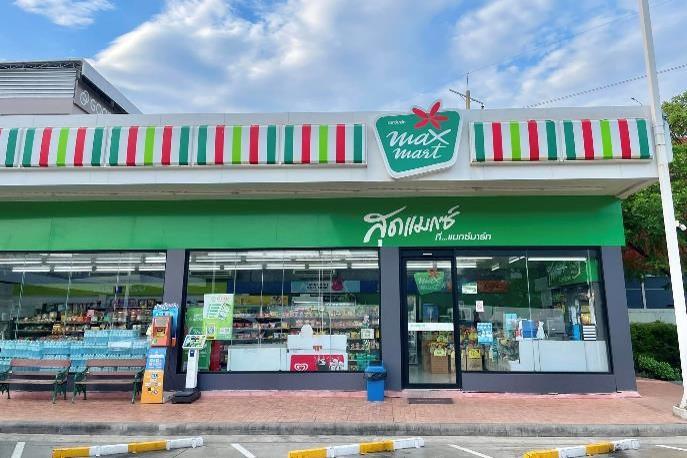
Retail Business In addition to its fuel retail business, PTC also invests in and operates under the brand "Max Mart", a convenience store retail business located within PT service stations nationwide. Max Mart outlets are available in both COCO (Company-Owned Company-Operated) and DODO (Dealer-Owned Dealer-Operated) service stations. The selection of locations for opening convenience stores focuses on service stations situated in areas with strong community growth potential and suitable investment conditions. The key criteria for consideration include the following:
PTC has also refined its management approach for convenience stores in order to enhance operational efficiency and better respond to customer needs. This includes improving the Max Mart store image and branch formats, upgrading store equipment to create a more modern retail environment, and expanding product assortments to better align with consumer preferences. In addition, PTC plans to expand the Max Mart network across more locations nationwide to enhance the service completeness of PT service stations and better meet the needs of customers visiting the stations.
|
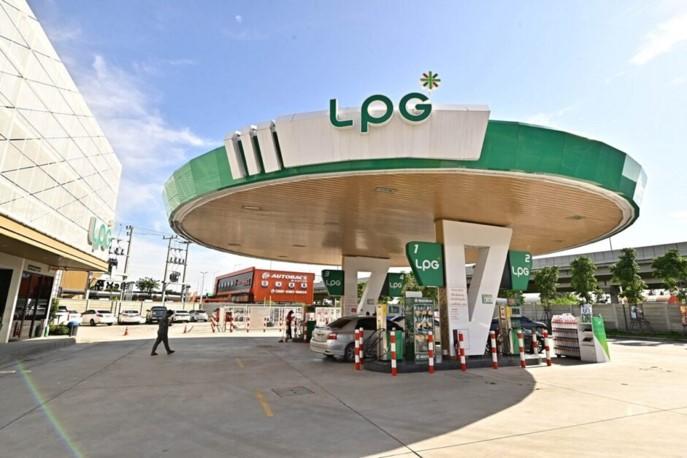
| LPG Business | The Company commenced its LPG distribution business in 2015 under Petroleum Thai Corporation Co., Ltd. (“PTC”). Subsequently, in order to ensure greater clarity in the LPG distribution business operations, the Company restructured the LPG distribution business in 2019 by assigning Atlas Energy Public Company Limited (“ATLAS”) and Olympus Oil Co., Ltd. (“OLP”), both subsidiaries of the Company, to operate the LPG distribution business. Currently, ATLAS operates as a fuel trader under Section 7 of the Fuel Trade Act B.E. 2543 (2000) and conducts LPG distribution in the household, transportation, and industrial sectors, through both retail sales directly to consumers and wholesale distribution to smaller LPG traders for further distribution to end users. Meanwhile, OLP operates as a fuel trader under Section 11 of the Fuel Trade Act B.E. 2543 (2000) and conducts LPG distribution in the transportation sector. OLP distributes LPG to vehicle users through LPG service stations managed and operated by OLP (Company-Owned Company-Operated or COCO stations). To ensure clarity in business operations between the Company Group (which refers to the Company and its subsidiaries and associates, excluding the ATLAS Group) and the ATLAS Group (which refers to ATLAS and its subsidiaries and associates), the Company convened the Board of Directors Meeting No. 1/2024 on 22 February 2024, while ATLAS convened the Board of Directors Meeting No. 1/2024 on 21 February 2024, to consider and approve the approach for clearly separating the business operations between the Company Group and the ATLAS Group. This arrangement aims to promote the highest efficiency in the joint operations of both parties. In 2025, the Company convened the Board of Directors Meeting No. 1/2025 on 31 January 2025, while ATLAS convened the Board of Directors Meeting No. 1/2025 on 4 February 2025, to further consider and approve additional measures to enhance the clarity of the business separation framework. The business separation framework between the Company Group and the ATLAS Group can be summarized as follows.
On 23 July 2024, the Company Group and the ATLAS Group entered into a business cooperation memorandum of understanding, and on 5 February 2025 the Company Group and the ATLAS Group executed an addendum to such memorandum. The key principles of the memorandum are consistent with those approved by the Boards of Directors of both the Company and ATLAS in 2024 and as subsequently revised in 2025. ATLAS has also submitted a registration statement for the offering of securities (Form 69-1) and a prospectus to the Securities and Exchange Commission of Thailand (“SEC”) and the Stock Exchange of Thailand (“SET”) on 10 October 2024 in order to seek approval for its initial public offering (IPO) and the listing of its shares on the SET. Interested parties may refer to such documents for further details.
|
| Renewable Energy and Investment Business | The Company places importance on sustainable energy use and aims to mitigate the risk of future petroleum energy shortages. As such, the Company has invested in renewable energy businesses, which also support local farmers and align with government policies. These investments include an integrated palm complex business producing environmentally friendly palm-based products such as biodiesel (B100) and refined palm olein (ROL) through PPP Green Complex Public Company Limited (“PPPGC”), an associate of the Company. In addition, the Company invests in waste-to-energy power plants and Refuse Derived Fuel (RDF) production businesses, operated through PTG Green Energy Public Company Limited (“PTGGE”), Palangngan Pattana 5 Co., Ltd. (“PP5”), and Clean Community Company Limited (“CCC”), all of which are subsidiaries of the Company. Biodiesel Energy Business PPP Green Complex Public Company Limited (PPPGC) is a joint venture between TCG Holdings Co., Ltd. and RD Kasetpattana Co., Ltd., which commenced full commercial operations in 2019. The company aims to become a leading integrated palm oil products producer in Southeast Asia, covering the entire value chain from collaboration with farmers to improve the quality of oil palm yields to the development of environmentally friendly production processes. The business structure includes a palm oil extraction plant, refined palm oil and olein refinery, biodiesel refinery, refined glycerin plant, oil storage facilities, and a power plant with high-pressure boilers. Operations are conducted under the Bio-Circular-Green (BCG) Economy principle, emphasizing sustainable development and a Zero Waste concept while taking into account stakeholder sustainability and reducing greenhouse gas emissions to support Thailand’s target of achieving carbon neutrality by 2035. Currently, PPPGC produces key products including biodiesel (B100) with a production capacity of 0.52 million liters per day1/, refined palm olein (edible palm oil) with a capacity of 200 tons per day2/, and refined glycerin with a capacity of 45 tons per day. In addition, PPPGC also produces palm oil products and other by-products. Going forward, the company plans to expand production capacity across its facilities and explore related business opportunities to support growing market demand for palm-based products, particularly environmentally friendly products. Note: 1/ The density of biodiesel = 0.863 million liters. 2/ The density of consumable vegetable oil. = 0.905 kilograms per liter
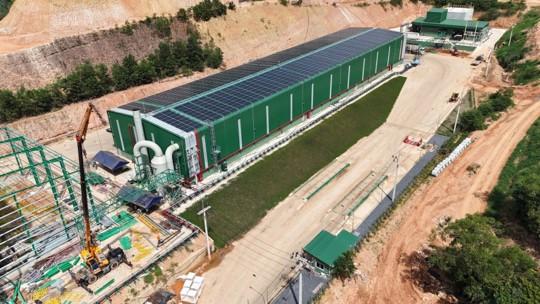
Waste-to-Energy Business Palangngan Pattana 5 Co., Ltd. ("PP5"), a subsidiary of the Company, operates a waste-to-energy project that uses municipal waste from Ban Phru Municipality in Songkhla Province and nearby local administrative organizations participating in the project as its primary fuel source. The project is located in Hat Yai District, Songkhla Province, covering an area of approximately 30 rai, and is currently under construction and development. The project consists of a direct-combustion waste power plant, a waste sorting facility for the production of Refuse Derived Fuel (RDF), a wastewater treatment system, and a landfill with a capacity of approximately 600,000 tons for waste collected from surrounding communities for power generation. At present, the project has signed a Power Purchase Agreement (PPA) with the Provincial Electricity Authority (“PEA”) in April 2023, and the waste-to-energy power plant is expected to commence commercial operation (COD) in 2026. The plant has the capacity to process 400 tons of waste per day for direct combustion and will supply electricity to PEA under a 20-year contract. The electricity purchase rate follows the Feed-in Tariff (FiT) scheme for Very Small Power Producers (VSPP), comprising both FiT Fixed (FiTF) and FiT Variable (FiTV) components, totaling THB 5.08 per unit. This includes a base tariff and a FiT Premium of THB 0.70 per unit, which will be provided for the first eight years from the commercial operation date (COD). In addition, the RDF production facility has fully commenced in 3Q2025, with the capacity to process 300–600 tons of fresh or accumulated waste per day and produce 100–200 tons per day of RDF Type 2.5 or Type 3. The RDF products will be sold to cement plants and other waste-to-energy power plants in the region. Additional revenue streams will include waste disposal service fees, revenue from the sorting and sale of recyclable materials, and income from greenhouse gas emission reductions, which can be converted into carbon credits. PP5 is committed to developing sustainable waste management solutions for municipal and accumulated waste in Southern Thailand in order to support the country’s energy demand. The Company also aims to ensure that this investment is carried out efficiently while taking into account the interests of society, local communities, the environment, and all stakeholders.
|
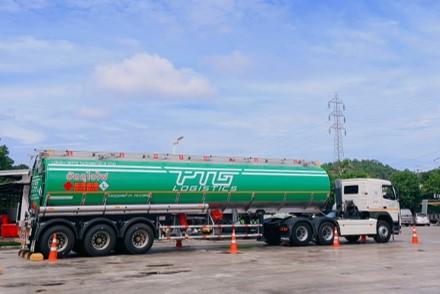
| Logistics Business | PTG Logistics Co., Ltd. (“PTGLG”), a subsidiary of the Company, is registered as a fuel transporter under Section 12 of the Fuel Trade Act and owns a large fleet of fuel transportation vehicles. The company is responsible for delivering fuel to COCO and DODO service stations, as well as to customers in the wholesale fuel business who purchase fuel from the Company. In addition, PTGLG manages the transportation of fuel between storage depots to support operational efficiency. Furthermore, PTGLG continuously seeks new business opportunities. Since 2020, the company has consistently evaluated investments in various types of transportation vehicles to support growing fuel transportation demand, while expanding beyond its traditional scope by entering the transportation services market for other products.
|
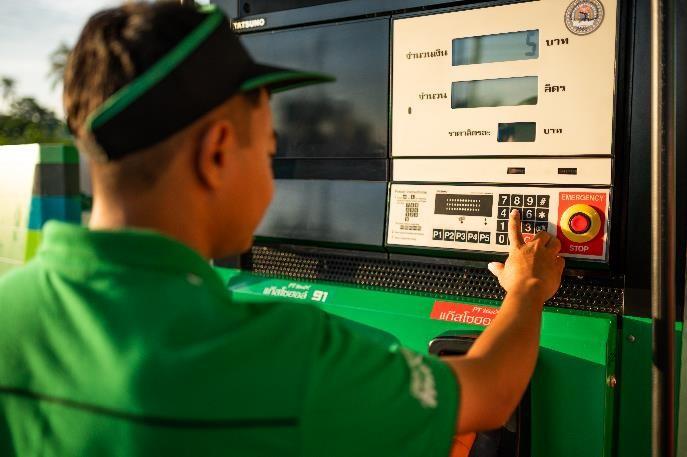
| System and Equipment Management Business | The mission of Innoligent Automation Co., Ltd. ("INA") s to develop equipment and systems for sales management and customer data collection for service station operations. These systems are installed specifically in COCO and DODO service stations. During the past year, the company developed and implemented several systems as follows:
|
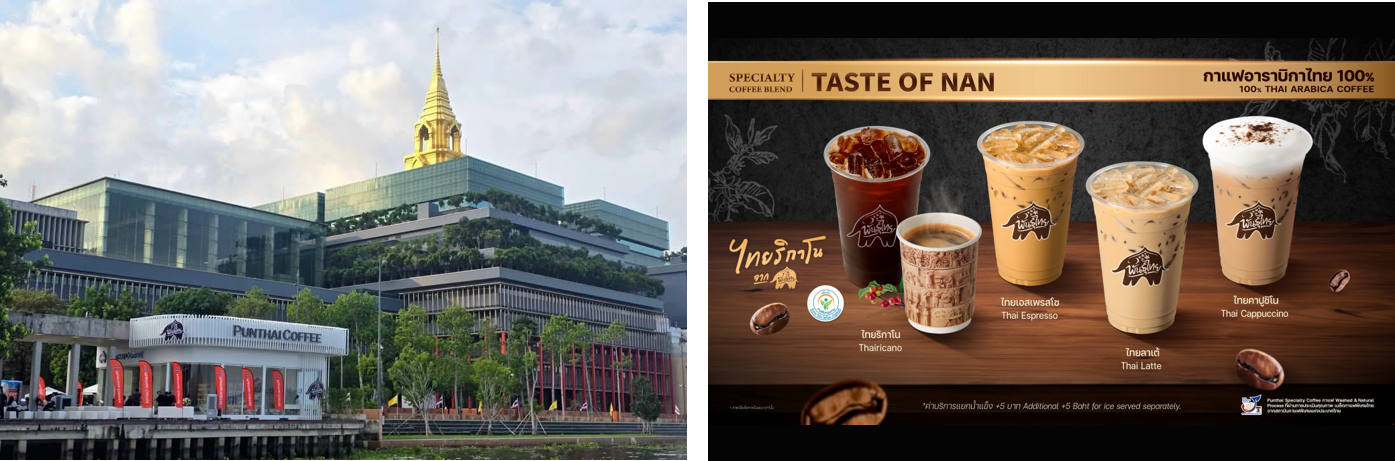
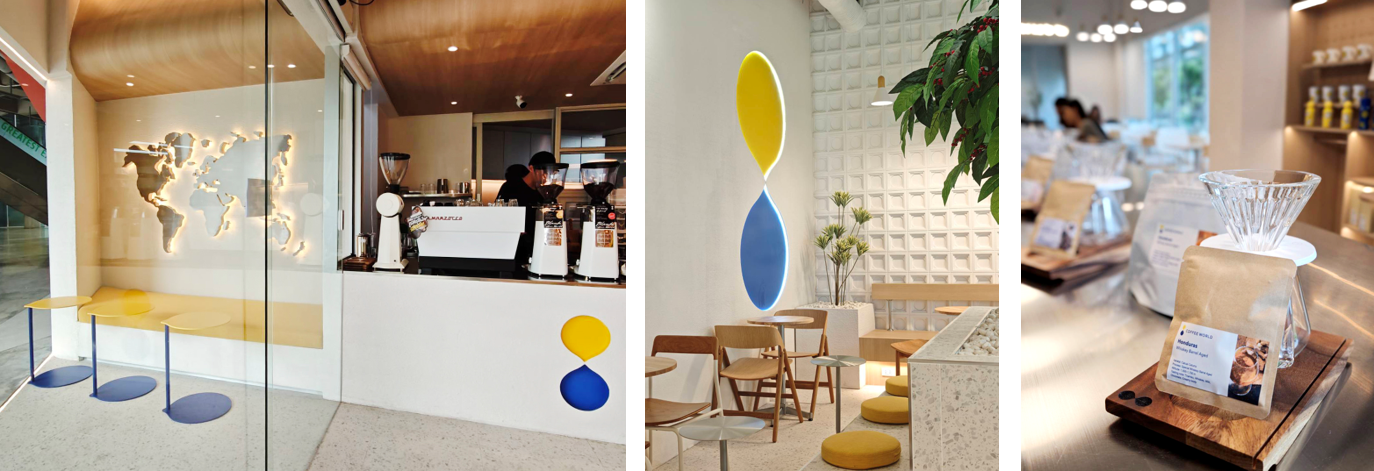
| Food and Beverage Business | The Company invests in and operates its food and beverage business under three main brands, including: 1. PunThai Coffee PunThai Coffee operates under PunThai Coffee Company Limited (“PUN” or “PunThai Coffee”), a subsidiary of the Company, engaging in the coffee and beverage business under the trademark “PunThai Coffee.” The brand has been continuously developed into one of the most distinctive Thai coffee brands, under the concept of “Creative Thai Taste,” with a strong Brand DNA that reflects Thai identity while supporting local farmers and communities, alongside a commitment to sustainable business practices. The Company has successfully enhanced brand awareness and customer engagement through the “ThaiRicano” campaign, which highlights the potential of Thai-sourced ingredients. The campaign has evolved from the use of coffee beans sourced from Mae Hong Son to premium Arabica beans from Nan Province, while expanding the product offering to include both black coffee and milk-based beverages to cater to a broader customer base. This is further supported by the Brand Tagline #PunThaiAnythingIsPossible, which has driven User-Generated Content and transformed customers from passive consumers into active co-creators in beverage innovation. Building on this success, the Company has further developed the “PunThai D.I.Y.” concept, allowing customers to customize beverages according to their preferences with support from baristas, thereby enhancing customer experience and brand loyalty. In 2025, the Company also expanded its reach among younger consumers through the introduction of new brand presenters, “Sky–Nani,” reinforcing a more modern and accessible brand image. In terms of products, PunThai Coffee utilizes 100% Arabica coffee beans and is distinguished by its ability to incorporate unique local ingredients from across Thailand into its beverage offerings, under the “Creative Thai Taste” concept, delivering differentiated yet affordable experiences. The Company has continuously developed products based on signature local ingredients from various regions. Key highlights include “ThaiRicano – Taste of Nan,” a specialty coffee made from 100% Arabica beans sourced from Doi Suan Ya Luang in Nan Province, a high-quality coffee-growing area recognized with multiple national awards and registered as a Geographical Indication (GI). The product is carefully developed through blending Natural and Washed processing methods, along with distinct roasting profiles, to achieve a well-balanced and unique flavor that can be extended into various beverage formats. In addition, the Company has introduced beverages made from local ingredients such as “Ma Muang Hao Ma Nao Ho” from Samut Songkhram and “Thai Santol Series” using cotton santol from Prachinburi, as well as best-selling menu items that have been converted into permanent offerings, including “Jeed Coffee” and “Jeed Thai Tea” made from calamondin oranges from Chanthaburi. Furthermore, the Company has expanded into premium tea products, including “Maruzen Matcha” and “Nan Thai Assam Tea,” a distinctive black tea variety from Nan Province. The Company remains committed to sourcing high-quality ingredients from Thai farmers to create value across the supply chain and deliver quality products at accessible prices nationwide. As of year-end 2025, the Company operated more than 2,151 PunThai Coffee outlets nationwide, covering both in-station and out-of-station locations to ensure convenient and comprehensive customer access. The store network comprises 38.3% company-owned outlets (Equity) within service stations, 35.7% company-owned outlets outside service stations, and 26% franchise outlets, which serve as a key mechanism to accelerate network expansion. Currently, the Company has expanded its presence to over 502 districts, representing more than 50% of total districts nationwide, and covering all 77 provinces across Thailand. Initially focusing on expansion in Bangkok and its vicinity, as well as major cities and tourist destinations, the Company continues to expand toward full nationwide coverage at both provincial and district levels. In addition, the Company offers franchise opportunities, providing an accessible and cost-effective investment model supported by a dedicated team of experts. Now entering its 14th year of operations, PunThai Coffee remains committed to expanding its business network to support sustainable growth and create long-term value for the Thai economy. 2. Coffee World Coffee World, operated by GFA Corporation (Thailand) Co., Ltd. (“GFA”), which is part of the Company following the acquisition in 2017, has continuously developed and strengthened its brand. The focus has been on carefully sourcing premium coffee beans from diverse origins around the world, delivering exceptional service, and introducing new food and beverage menus that respond to evolving customer preferences while expanding its reach to new customer segments. In 2022, Coffee World underwent a major brand refresh under the concept “CO-Value Creation from The World Inspirations,” reflecting the idea of creating value through inspirations from around the world. The new droplet-shaped symbol represents the connection between the brand and its customers in collaboratively creating meaningful experiences. In 2025, to enhance its competitiveness in the market, Coffee World has introduced a new business model strategy, together with the development of products and services tailored to target customer segments—particularly office workers, who seek high-quality and diverse coffee options, fast service, and an atmosphere that energizes their workday. At the same time, the brand continues to expand its branch network, focusing on “Destination Point” locations that serve as true coffee destinations, such as central business districts, leading office buildings, educational institutions, private hospitals, and PT service stations.
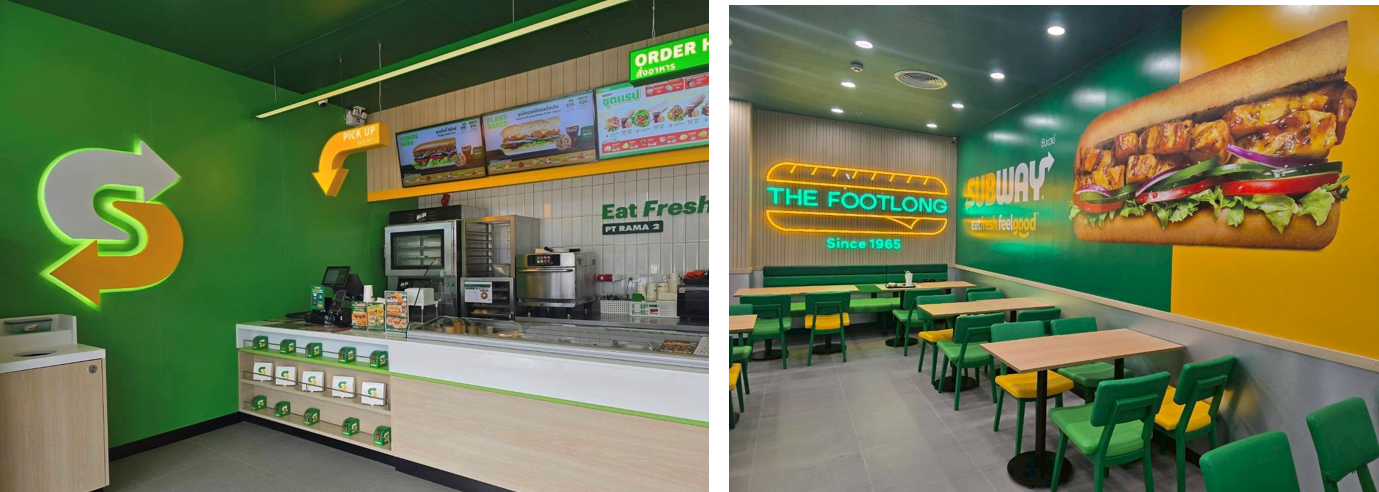
3. Subway On April 1, 2024, the company reached another significant milestone when Goluck Co., Ltd. ("GL"), a subsidiary of the company, secured the Master Franchise rights for Subway in Thailand. Subway, a globally recognized sandwich brand, ranks among the top 10 most valuable brands worldwide. This collaboration not only expands the company’s Non-Oil business portfolio but also aligns the visions of both brands to enhance consumer Well-being and Contentedness by focusing on health, quality, and convenience. It is a partnership designed to meet the evolving needs of modern consumers, offering sustainable long-term growth opportunities.
|
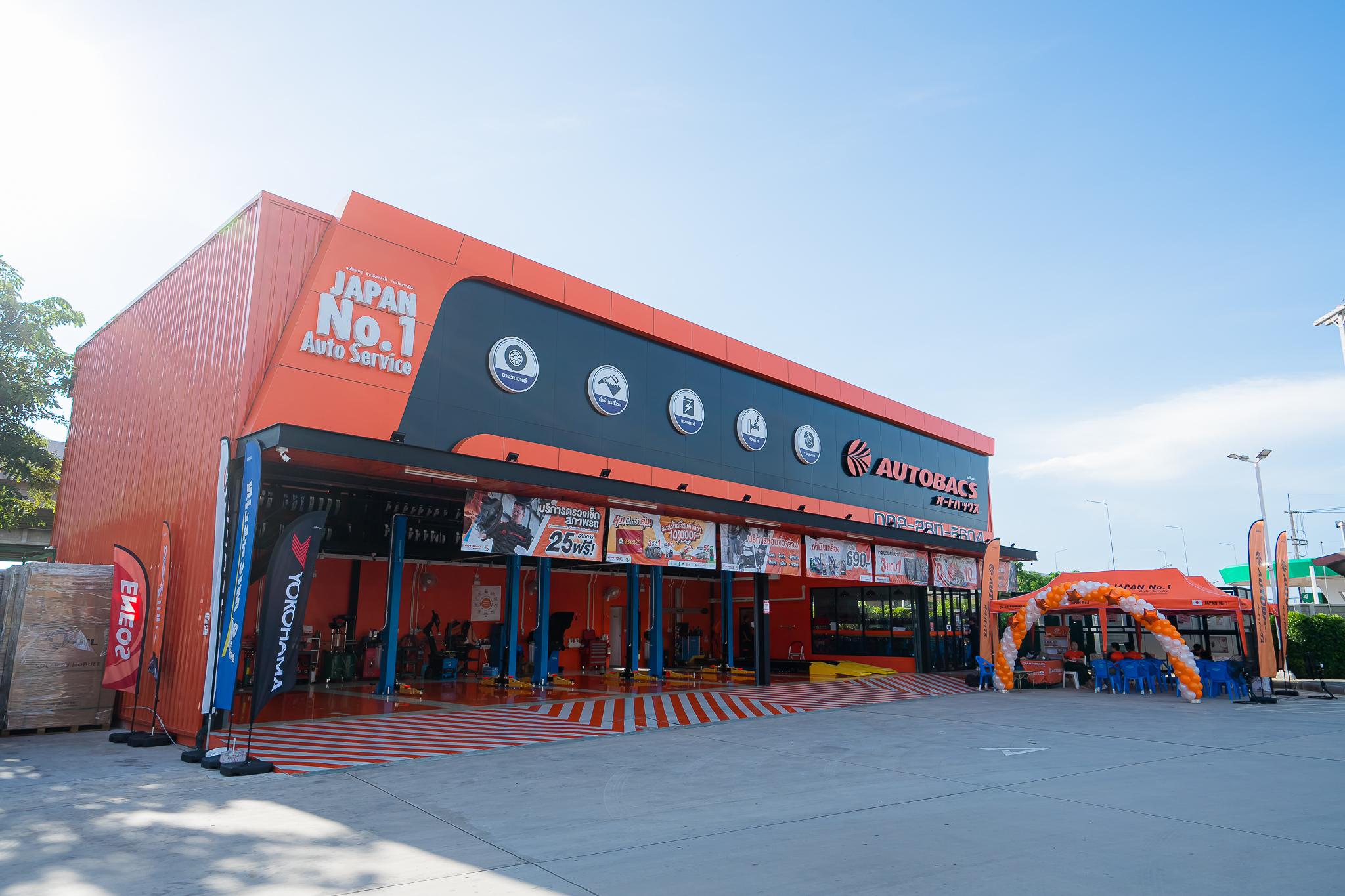
| Auto Care and Maintenance Business | The automotive service and maintenance business is operated by Siam Autobacs Co., Ltd. ("SAB" or "Autobacs"), a subsidiary of the Company. It is a comprehensive, high-quality auto service and maintenance center from Japan, under the trademark "Autobacs", offering a full range of products and services, including well-known tire brands from Japan and Europe, premium engine oil, performance-enhancing lubricants for automobiles, batteries, shock absorbers, brake pads, car care chemicals, and Japanese-style decorative accessories, etc. Complete and Clear - every car issue resolved under the Autobacs brand. The Company has established a service approach where Autobacs acts as a consultant, providing detailed information about cars, diagnosing problems, and suggesting solutions. Ultimately, the decision to replace parts or repair the vehicle lies with the customer. This approach is designed to earn long-term trust and confidence from customers. Autobacs operates as a modern automotive service center, emphasizing employee service standards in both technical and customer service areas. Regular annual evaluations by the Autobacs team from Japan ensure high standards, with ongoing training for employees to enhance their automotive expertise. This commitment to safety and reliability assures consumers of the quality and standards of Autobacs, catering to a wide range of vehicles including passenger cars, SUVs, household pickup trucks, and commercial pickups.
|
| Electronic Money Business (e-Money) | For its electronic money service or e-Money business, the Company has established Max Card Co., Ltd. ("MAX"), Max Me Corp Co., Ltd. ("MMC"), and Max Solution Service Co., Ltd. ("MSS"), subsidiaries aimed at enhancing the capabilities of the electronic financial system through the Max Me app developed for e-Wallet services. This initiative includes managing customer memberships and products under the Company’s purview through the PT Max Card, developed on a digital platform offering various benefits across purchases, services, and categories such as food, drinks, shopping, and travel, with the option to earn points across more than 650 partnering outlets. The Company is committed to developing its electronic money service system through the PT Max Card and the Max Me app, aiming to create a platform that bridges online and offline (Online-to-Offline: O2O) interactions. This effort is part of its ambition to lead in the e-money service sector within the energy group, addressing the shift towards a digital society.
|


Research & Development
Has R&D Policy (Y/N)
Yes
R&D Cost — Label
Research and development (R&D) expenses over the past 3 years (Million Baht)
R&D Cost — Last Year
8.74
R&D Cost — 2 Years Ago
7.84
Assets Used in the Business
Permanent Assets — Description
As of December 31, 2025, the major fixed assets utilized in the company's and its subsidiaries' business operations are detailed in Attachment 4: Assets Used in Business Operations and Asset Valuation Details.
Intangible Assets — Description
As of December 31, 2025, the significant intangible assets utilized in the company's and its subsidiaries' business operations are detailed in Attachment 4: Assets Used in Business Operations and Asset Valuation Details.
Has Subsidiaries Investment Policy (Y/N)
Yes
Subsidiaries Investment Policy — Description
The Company’s investment policy is structured around 8 core business segments, as follows: 1. Fuel distribution and retail business, 2. LPG business, 3. Renewable energy and investment business, 4. Logistics and transportation business, 5. Management and system administration business, 6. Food and beverage business, 7. Auto Care and Maintenance Business, and 8. Electronic money (e-Money) services business Investment decisions are based on multiple factors aimed at strengthening business operations. These include market growth trends, value creation, economic viability, and enhancing the company's competitiveness. Investments may be made directly by the company or through subsidiaries, joint ventures, or business partners, depending on suitability and the potential of each business. The ultimate goal is to comprehensively meet consumer needs.
Marketing Policy & Competition
Reporting Mode
3116
Per-Business-Group Breakdown
| Marketing Policy | Industry & Competition |
|---|---|
Oil Business The Company focuses on distributing high-quality fuel that meets industry standards to ensure customer confidence and satisfaction when using the Company’s service stations. More than 63.0% of the fuel sold at the Company’s service stations is sourced directly from Thai Oil Public Company Limited, a large and reputable refinery that also supplies fuel to other major oil traders in Thailand. This enables the Company to ensure that its fuel products meet recognized quality standards. In addition, the Company manages and operates its own fleet of fuel tanker trucks to deliver fuel to COCO service stations nationwide, allowing it to control product quality and prevent potential issues such as fuel adulteration or contamination during transportation. The Company has also invested in a fuel quality testing operation center at the Mae Klong oil depot, which conducts quality inspections on fuel samples collected from COCO service stations across the country. Furthermore, the Company operates Mobile Lab units that randomly inspect fuel quality at both COCO and DODO service stations, ensuring that the fuel sold at every station maintains the same quality standards as fuel produced by refineries. In terms of marketing and public relations, the Company regularly organizes promotional campaigns to encourage target customers to increase fuel purchases and maintain consistent usage. These campaigns may include the distribution of drinking water or other promotional items to customers who meet certain refueling thresholds. Promotional items may vary by location depending on the characteristics of the local customer base. The Company also operates the PT Max Card and PT Max Card Plus membership programs, which customers can apply for at PT service stations. Members receive various benefits, including point accumulation, discounts, special-priced products, redemption privileges, updates on promotions, access to partner services, and participation in exclusive marketing activities. Through continuous product and service development, PT Max Card and PT Max Card Plus members can now check their reward points and benefits through the Max Me application, which is available on both iOS and Android platforms. To further enhance accessibility and communication, the Company also utilizes multiple digital channels, including the Company website (www.ptgenergy.co.th), Call Center 1614, Facebook Page (www.facebook.com/ptstation), and Line Official Account (@ptstation), to provide corporate information and marketing communications to customers and the general public. For the Company’s fuel station dealers, continuous support is provided in various aspects. The Company assists with materials and equipment for station improvements, such as building paint, PT signage pylons, fuel price boards, station signage, and forecourt staff uniforms. Engineering and maintenance teams are also dispatched to provide technical support and necessary assistance in upgrading service stations. In addition, the Company’s Mobile Lab units conduct random fuel quality inspections at dealer stations to ensure that DODO stations maintain operational and quality standards consistent with COCO stations. From a marketing perspective, the Company also provides promotional materials such as drinking water and other marketing products to dealers at discounted prices, enabling dealers to organize promotional campaigns similar to those conducted at COCO stations. The Company also provides guidance on forecourt service management and inventory management to its dealers. The Company places strong emphasis on product quality and timely fuel delivery, and therefore continues to invest in expanding its fleet of fuel tanker trucks to support increasing transportation demand in line with rising fuel sales volumes. Owning a large tanker fleet with substantial total capacity enables the Company to transport and deliver fuel efficiently in large quantities. Efficient fleet management, combined with effective fuel inventory management at oil depots, ensures that the Company can deliver fuel to customers according to demand. The Company also provides support to customers by lending fuel storage and dispensing equipment, such as fuel storage tanks and fuel dispensers, installed at customer facilities. This service is particularly beneficial for fuel retailers and industrial operators who require convenient refueling for vehicles or machinery within their operations. Customer Characteristics and Target Group The primary target customers for the Company’s retail fuel business through service stations are fuel users located near COCO service stations, including:
The Company prioritizes fuel sales to end-users, as these customers require fuel regularly for daily life and business activities. To effectively serve this group, the Company focuses on investing in COCO service stations located near communities and key demand areas. For the wholesale fuel business supplying service station operators, the target customers include individuals and legal entities interested in operating fuel stations, such as:
For the wholesale fuel business supplying other oil traders and industrial operators, target customers include:
Distribution Channels The Company continues to invest in opening and upgrading COCO service stations to expand fuel distribution channels and reach target customers across Thailand, while enhancing station capabilities to support Non-Oil businesses within the ecosystem. Investment in COCO stations may take various forms depending on the appropriate investment structure and approval by the Company’s Service Station Investment Committee. The Company may purchase or lease service stations whose owners no longer wish to operate them, with considerations including lease terms, rental rates, rent escalation conditions, and overall investment feasibility. For DODO service stations, sales personnel stationed at oil depots are responsible not only for supporting existing dealers and customers but also for identifying potential service station operators interested in becoming PT dealers. Business development teams also actively engage with service station operators who wish to continue operating but prefer to source fuel from the Company and become PT dealers. Through the coordinated efforts of sales teams and business development teams, the Company is able to access target customers efficiently and expand its distribution network across all regions of Thailand. EV Charging Station Business The Company places strong emphasis on enhancing service quality and operational standards (Service Excellence) by installing high-performance EV chargers capable of delivering full power output, enabling fast charging with an average charging time of approximately 30 minutes per vehicle, in order to meet the urgent needs of EV users. A key milestone achieved during the past year was the launch of PT GIGA EV, the Company’s first prototype EV charging station, operating 24 hours a day, located in the high-potential Ladprao–Wanghin area. This location is characterized by rapid urban community growth and a high density of residential developments. The station has been designed under a compact and space-efficient concept, maximizing land utilization while ensuring convenient access and comprehensive services for users. PT GIGA EV also elevates the customer experience by offering a fully integrated service ecosystem, including Elex by EGAT PT charging services, PunThai Coffee, Subway, and Autobacs, while seamlessly connecting the Company’s ecosystem through PT Max Card, Max Card Plus, and PT Max Card Plus EV membership programs, reflecting the Company’s strategy to adapt to evolving consumer lifestyles. In addition, the Company has launched an EleX by EGAT PT EV charging station at Max Rest, a key flagship location that integrates energy services with travel and lifestyle experiences for motorists. This initiative supports the continued growth of EV adoption while strengthening the Company’s long-term competitive advantage in the EV ecosystem. Retail Business PTC places strong emphasis on sourcing high-quality products from reputable manufacturers with recognized production standards to ensure customer safety. The Company also carefully selects products that align with the needs of target customers in each location by analyzing sales performance data for each product category. Products that do not meet local customer demand are either purchased in lower quantities or discontinued, ensuring that product offerings remain aligned with customer preferences in each area. In addition, PTC conducts joint marketing activities between PT service stations and Max Mart convenience stores, offering discounts or special redemption privileges on products at Max Mart for customers who use the Company’s service stations, subject to the Company’s promotional conditions. | Oil Business Domestic Distribution Channels for Diesel and GasolineWhen considering domestic sales volumes of diesel and gasoline, categorized by business segment, service stations remain the primary distribution channel for both fuel types. Domestic demand for diesel and gasoline has continued to increase, particularly through service station sales, driven by the growing number of automobile and motorcycle users. According to the Department of Land Transport, the total number of registered vehicles can be categorized into two main groups: diesel-powered vehicles and gasoline-powered vehicles. The number of diesel-powered vehicles increased from 12.00 million units in 2021 to 12.76 million units in 2025, representing a 6.3% growth over the period. Similarly, gasoline-powered vehicles increased from 28.83 million units in 2021 to 30.66 million units in 2025, also reflecting 6.3% growth. The continued increase in registered vehicles indicates that fuel service station businesses are likely to experience revenue growth in the future, driven by the expanding base of vehicle users requiring refueling services. Service stations represent the largest distribution channel for diesel and gasoline sales. In 2025, diesel sales through service stations accounted for 76.7% of total diesel consumption nationwide, while gasoline sales through service stations represented 90.2% of total gasoline consumption in the country. Comparing data between 2024 and 2025, diesel sales through service stations declined by 2.3%, while gasoline sales increased by 1.6%. Fuel distribution businesses can generally be categorized into several groups, including independent small-scale retailers that own service stations, small and medium-sized fuel traders without their own service stations, and large-scale operators engaged in both wholesale and retail fuel distribution. Major medium and large fuel distributors currently operating in Thailand include:
Note: As of the end of 2025, Thailand had 26,130 fuel service stations nationwide, representing a decrease of 250 stations from 2024, or decreased by 1.0% YoY. The decline in total stations was mainly driven by a reduction of 40 stations from Bangchak, representing a 1.8% decrease YoY, while other fuel retailers collectively reduced 236 stations, or decreased by 1.3% YoY, due to intensified market competition. At the same time, fuel retailers have been modernizing station formats and improving service station images, while introducing additional non-oil businesses and convenience services to enhance consumer experience, provide greater customer choice, and strengthen competitive capabilities. EV Charging Station Business The electric vehicle (EV) market in 2025 continued to expand, supported by rising demand and policy support from both the government and private sector. In response to this market growth, the Company focuses on a flagship expansion strategy, developing EV charging stations both within existing service stations and through the launch of a new standalone station format, “PT GIGA EV.” At the same time, the Company continues to expand the Max Card Plus EV membership base, enhancing value and benefits for EV users and encouraging greater adoption of EV charging services within the Company’s ecosystem. |
Customer Characteristics and Target GroupsATLAS classifies its target customers based on sales channels and the intended use of LPG across different business sectors, as follows: Target Customers for the LPG Business in the Household Sector
Target Customers for the LPG Business in the Transportation Sector
Target Customers for the LPG Business in the Industrial SectorIndustrial operators located near ATLAS LPG depots or LPG receiving points from suppliers who distribute LPG to the Company, and who require large and continuous volumes of LPG for their business operations. Distribution ChannelsDistribution Channels for LPG in the Household Sector
ATLAS distributes LPG cylinders to household customers through company-operated LPG retail outlets. Customers can purchase LPG directly at the store or place orders via telephone, Call Center services, or the “PT Max Gas” application, which allows customers to order LPG cylinders conveniently. ATLAS retail outlets are categorized based on LPG cylinder storage capacity as follows:
ATLAS also distributes LPG cylinders indirectly through dealer-operated LPG retail outlets, which are operated by ATLAS distributors appointed by the Company. These outlets purchase LPG cylinders from ATLAS for resale to customers. Dealer-operated outlets are categorized as follows:
Distribution Channels for LPG in the Transportation Sector
Distribution Channels for LPG in the Industrial SectorATLAS assigns dedicated sales personnel to manage and serve industrial customers within designated areas. Their responsibilities include customer acquisition, coordination, and daily LPG order management, ensuring that industrial customers receive appropriate services, reliable supply, and professional guidance. Competitive Strategy
| Liquefied Petroleum Gas (LPG) is a petroleum product composed primarily of butane and propane gases. It is widely used as a fuel, particularly for cooking in households, restaurants, and food establishments, due to its characteristics of easy ignition, rapid extinguishing, and adjustable heat levels, making it highly suitable for cooking applications. In addition, LPG can also be used as vehicle fuel and as an energy source in various industrial production processes. Industry ConditionsThe LPG distribution business is considered an industry with relatively high barriers to entry, as operators must comply with a number of regulatory requirements, including the Fuel Trade Act B.E. 2543 (2000) and its amendments. Companies seeking to operate as Section 7 fuel traders (“Section 7 Traders”) must obtain licenses in accordance with the criteria prescribed by law. Key requirements included Registered and paid-up capital of not less than 50 MB, Working capital of not less than 100 MB, and Ownership or leasehold rights of LPG storage depots. After obtaining the license, operators must also comply with ongoing regulatory obligations, including mandatory fuel reserves and reporting requirements related to the import, purchase, refining, production, acquisition, distribution, and inventory of fuel products. In addition, Section 7 traders are required to invest substantial capital in operational assets and working capital. As of the end of 2025, there were 13 Section 7 traders engaged in the LPG distribution business in Thailand, including:
Sources of LPG Supply in ThailandLPG supplied in Thailand mainly originates from two primary sources:
However, domestic LPG production from these sources is insufficient to meet total domestic demand. As a result, propane and butane are imported and blended into LPG, along with LPG obtained as a by-product from aromatics production in the petrochemical industry. During the period 2021–2024 and the first six months of 2025, LPG sourced from gas separation plants accounted for an average of 42.0% of total supply, while LPG from crude oil refining accounted for approximately 31.4%. LPG Demand in ThailandLPG consumption in Thailand can be categorized into 4 major sectors; 1. Household sector 2. Transportation sector 3. Industrial sector and 4. Petrochemical sector. During 2021–2024 and the first half of 2025, the household sector accounted for the largest share of LPG consumption, averaging 42.3% of total demand, followed by 27.4% of Petrochemical sector, 15.7% Transportation sector, and 14.5% of Industrial sector. Factors Affecting LPG Demand
In addition, the government may introduce non-energy measures that indirectly affect LPG demand, such as cost-of-living relief programs providing LPG discounts for holders of the State Welfare Card, which may influence LPG consumption patterns in Thailand. |
Biodiesel Energy Business Amid increasing competition and evolving regional energy policies, PPPGC has adopted a proactive strategy to strengthen its competitive advantage. The Company focuses on managing an integrated value chain, covering both core products and expansion into high-value products (High Value Products: HVP), while also expanding its customer base into international markets. Marketing strategies are tailored by product category as follows:
This approach supports the Company’s Zero Waste concept and aligns with the Bio-Circular-Green (BCG) Economy framework, contributing to sustainable business development. Waste-to-Energy Business As the project remains under construction and development, marketing policies during the past year have focused on building stakeholder confidence and preparing for electricity sales and related products, with strategies as follows:
| Biodiesel Energy Business
2. Downstream Business: Growth in Related Industries and Alternative Energy The downstream refining business benefited from growth in the food industry and clean energy policies, as outlined below:
Waste-to-Energy Business
|
Customer Characteristics and Target Segments Transportation service users can be broadly categorized into 2 main groups. Fuel Transportation Customers: This segment can be divided into 2 sub-groups:
Other Transportation Customers: PTGLG also provides transportation services beyond fuel logistics, which can be categorized into 7 types of transport operations:
PTGLG is also exploring expansion into additional logistics services, such as marine transportation of petroleum gas products and oxygen cylinder distribution centers, with the objective of expanding its service scope beyond transportation alone. Distribution Channels
| - |
INA’s marketing policy in 2025 focused on increasing customer awareness of the Company’s products and services. This was achieved through participation in booth activities and exhibitions related to its products and services, as well as through direct customer engagement with both end users (station owners) and sales agents (station construction contractors). | Competition within the industry is moderate, as the number of suppliers and service providers is relatively limited and each typically maintains its own established customer base. However, the slowdown in investment in fuel service station businesses has intensified competition, particularly in terms of distribution channels, pricing strategies, and commissions offered to sales agents. |
1. PunThai Coffee The Company aims to drive the growth of PunThai Coffee and strengthen its competitiveness against other brands through the following business strategies.
PunThai Coffee also collaborates with various organizations to support farmers and improve community well-being. PTG has partnered with three organizations to jointly develop and promote coffee cultivation and economic crops in target areas, while also planting new forests and restoring existing forests sustainably. The Mae Fah Luang Foundation provides knowledge on coffee cultivation and processing, the Royal Forest Department supports land allocation for coffee and forest tree planting under the “forest creation, income creation” program to expand permanent forest areas, and the Bank for Agriculture and Agricultural Cooperatives (BAAC) supports financing, marketing, the provision of suitable seedlings and economic crops, and the purchase of Arabica coffee cherries at fair prices. In line with the Company’s goal of promoting Thai products and Thai coffee beans so that Thai farmers can live well and happily, the Company has promoted Arabica coffee cultivation in northern Thailand, starting in Chiang Mai and Mae Hong Son, with a target to expand cultivation areas by 30,000 rai within five years. The Company has established its own field support team to engage directly with local communities, assess land and farmer readiness, prepare seedlings, and provide knowledge covering land preparation, crop maintenance, harvesting, and preliminary processing, enabling farmers to generate sustainable yields and income. Customer Characteristics and Target Groups The target customers for PunThai Coffee focus on the mass market segment, including: (1) users of fuel service stations, (2) students and working people in central business districts or major urban areas in Bangkok and surrounding provinces, (3) residents living near PunThai Coffee stores, and (4) customers of department stores and large retail outlets (hypermarkets). Distribution Channels As of 31 December 2025, the Company operated 2,151 PunThai Coffee branches, an increase of 804 branches compared with the same period in 2024. Of these, 1,591 branches were Company-operated (Equity) and 560 branches were operated under the franchise model. The Company continues to plan further expansion of PunThai Coffee branches both inside and outside service stations 2. Coffee World In a highly competitive coffee market, Coffee World seeks to strengthen its competitive advantage through strategies that align with consumer lifestyles while enhancing the overall coffee-drinking experience, as outlined below:
Customer Characteristics and Target Groups The target customers of the Coffee World food and beverage brand focus on the Premium and Specialty Market, including: (1) customers visiting first-tier department stores and community malls, and (2) domestic and international tourists. In addition, the Company plans to expand its target group to include office workers, who typically have fast-paced lifestyles and demand high-quality food and beverages. To better serve these customers, the Company intends to expand branches in strategic locations such as business districts, office buildings, educational institutions, private hospitals, and PT service stations, enabling broader accessibility and meeting the needs of this customer segment more effectively. Distribution Channels As of 31 December 2025, the Company operated a total of 27 food and beverage outlets under the Coffee World brand, comprising 24 company-operated (Equity) branches and 3 franchise branches. Coffee World outlets are primarily located in leading department stores and airports in Thailand. The Company continues to pursue the expansion of Coffee World branches while also focusing on modernizing store formats to create a more contemporary and appealing customer experience. 3. Subway
Customer Characteristics and Target Groups Subway focuses on serving diverse customer segments in order to comprehensively address the mass market. The key target groups include:
Through a diverse menu selection, the use of high-quality ingredients, and convenient service, Subway is able to effectively reach and meet the needs of these customer segments both in Thailand and globally. Distribution Channels In 2025, Subway operated a total of 97 branches and plans to expand its network by approximately 50 new branches per year over the next nine years. Expansion will focus on strategic locations such as department stores, community malls, hospitals, office buildings, tourist provinces with high international visitor traffic, airports, and PT service stations in a stand-alone format. In addition, Subway opened Thailand’s first Drive-Thru outlet at PT Max Rest Nakhon Chai Si 11 during the past year. At the same time, the Company has enhanced the integration of its Non-Oil businesses through a Seamless Lifestyle Integration model by combining the Subway and PunThai Coffee brands within the PT GIGA EV flagship electric vehicle charging station on Ladprao–Wanghin Road. All outlets are designed under the “Fresh Forward 2.0” concept, a modern and vibrant store format that aligns with contemporary consumer behavior and lifestyle preferences. | 1. PunThai Coffee The coffee business in Thailand in 2025 had a total market value of 65 billion baht, representing a growth of 8.33% from the previous year, despite the economic slowdown. The specialty coffee segment accounted for 46% of the market, or approximately 30 billion baht, and has been growing at an average rate of 15% per year. Thai consumers drink an average of 340 cups of coffee per person per year, or approximately 1.7 cups per day, with a noticeable shift toward increased consumption of freshly brewed coffee. In the first half of the year, 415 new coffee businesses were established, representing an increase of 8.92% compared with the previous year, most of which were small-scale coffee shops located in Bangkok. 2. Coffee World In 2025, the coffee market—both Out-of-Home (OOH) Coffee and Home Coffee—received strong consumer response and continued to grow steadily. Consumers have shown increasing interest in coffee, seeking knowledge and exploring diverse and unique coffee-drinking experiences. As a result, the market has attracted a growing number of new players and competing brands entering the industry continuously, reflecting the strong growth potential of the coffee market. However, for Coffee World, this situation represents an opportunity to further expand its business and continuously increase the number of branches. |
The Fast Fit business provides automotive after-sales services and continues to demonstrate steady growth, driven by increasing awareness among vehicle owners regarding regular vehicle maintenance. Market demand remains strong, supported by the large number of vehicles in operation, totaling more than 37 million vehicles nationwide, which presents significant opportunities for expansion in the vehicle maintenance and repair market. Although the government continues to promote electric vehicle production, a considerable number of consumers still choose to maintain and repair their existing vehicles. Autobacs focuses on three key priorities: enhancing customer satisfaction and trust by delivering services comparable to having a personal automotive assistant, expanding its branch network to strengthen brand recognition, and increasing its customer base. These efforts are supported by membership programs through PT Max Card and PT Max Card Plus, which currently have more than 25 million members. Customer Characteristics and Target Segments: Demand for vehicle maintenance services varies widely depending on factors such as vehicle age, engine type, usage patterns, and the expansion of urban communities. As a result, consumers seek maintenance centers that act as trusted advisors, offer reasonable pricing, and provide predictable service timeframes. Vehicles serviced at Autobacs range from newly purchased cars to vehicles that have been owned for more than 20 years. These vehicles require specialized care delivered by experienced technicians using modern diagnostic tools and equipment. Distribution Channels: The core concept of Autobacs is that it operates not merely as an automotive service provider but as a retail business. As a retail business, accessibility for customers is essential. Therefore, Autobacs focuses on expanding its service network to increase the number of branches and broaden service coverage. Currently, Autobacs operates both within and outside PT service stations. At the same time, consumer behavior in receiving information has evolved significantly. Autobacs therefore communicates with customers through both offline and online channels, including social media platforms such as Facebook, LINE, and Instagram, as well as e-commerce platforms such as Shopee and Lazada. In addition, local marketing activities are regularly organized to engage consumers in both Bangkok and regional provinces, further strengthening customer reach and brand presence | - |
Given that users are highly responsive to marketing strategies and face relatively low switching costs, the Company places strong emphasis on expanding collaborations with business partners in order to better support customers’ everyday usage needs. These partnerships cover various categories, including food and beverages, daily consumer products, fuel, and alternative energy services. The Company also continues to expand cooperation with small-scale merchants to enhance the variety and convenience of spending through Max Me Wallet. In addition, payments made through Max Me Wallet allow users to accumulate PT Max Card reward points, which can be redeemed for discounts on products and services in accordance with the terms and conditions specified by the Company. | The outbreak of COVID-19 significantly accelerated the adoption of mobile banking and electronic wallets (e-Wallets), as consumers became increasingly familiar with digital payment platforms. In addition, concerns about disease transmission through physical contact with coins and banknotes further encouraged the shift toward cashless transactions, resulting in continuous growth in the use of mobile banking and e-Wallet services. As the market expands, both commercial banks and large private operators with strong capabilities have shown increasing interest in entering the e-Wallet business. Consequently, competition in the market has intensified. Users are also highly responsive to marketing strategies and face relatively low switching costs, making them willing to switch between platforms based on factors such as ease of use, promotional incentives, and the variety of merchants that accept a particular e-Wallet service. |
Procurement of Products & Services
Reporting Mode
3116
Per-Business-Group Breakdown
| Procurement |
|---|
Oil Business At present, the Company’s fuel procurement unit purchases five fuel products, namely B7 diesel, gasoline octane 95, gasohol 95, gasohol 91, and gasohol E20, from six Section 7 refineries in Thailand. In 2025, more than 63% of the Company’s total fuel procurement volume was sourced from the refinery of Thai Oil Public Company Limited, along with other refineries including IRPC Public Company Limited, Star Petroleum Refining Public Company Limited, PTT Global Chemical Public Company Limited, and Bangchak Sriracha Public Company Limited. This enables the Company to maintain fuel receiving points across all regions of Thailand. To support continued growth, the Company places strong emphasis on its fuel distribution strategy, supported by 10 oil depots located nationwide and a robust logistics network. This structure enables the Company to manage costs efficiently, maintain fuel quality standards, and deliver fuel seamlessly from refineries to PT-branded service stations in a timely manner. With an extensive depot and logistics network, the Company is able to respond efficiently to the needs of all customer segments while significantly reducing operating costs. The key benefits of the oil depot network for fuel transportation and wholesale fuel distribution include:
EV Charging Station Business The Company places the highest priority on electrical system stability and safety. Procurement of EV charging equipment and high-voltage electrical systems is carried out in close collaboration with Electricity Generating Authority of Thailand (EGAT), a national organization with expertise in power systems and infrastructure. The Company is primarily responsible for site management and station architectural design, ensuring that station layouts comply with safety standards and design guidelines jointly developed with EGAT. This collaboration ensures the delivery of high-quality and reliable EV charging services. Retail Business For the procurement and storage of consumer goods and products sold in Max Mart convenience stores, the Company has established a main Distribution Center (DC) in Phra Nakhon Si Ayutthaya Province. This facility serves as a central warehouse for consumer products and is fully managed by the Company. The distribution center operates dedicated delivery vehicles responsible for supplying products to all Max Mart convenience stores. Each vehicle follows predefined delivery routes and serves specific store locations. As a result, delivery cycles vary depending on the number of stores and the assigned transportation routes, and each store’s ordering cycle corresponds to its delivery schedule. However, certain product categories are not required to be ordered through the central distribution center, including perishable products with short shelf lives, such as fresh milk and bread, and locally sourced products or regional specialty items, such as ice or local souvenirs. For perishable products, store managers must submit purchase requests to the Minimart Management Department, after which the headquarters team places orders directly with suppliers for delivery to the respective Max Mart stores. For local products, store managers are permitted to place orders only from approved product lists and approved local suppliers designated by the Company. Nevertheless, the volume and value of products ordered outside the distribution center must remain relatively small compared with purchases made through the DC. At the distribution center, DC staff are responsible not only for receiving orders from Max Mart stores within their service areas but also for managing inventory levels in coordination with the central procurement team to ensure sufficient supply for all stores. Purchase requests are submitted to the headquarters minimart management team via the same ordering software system used by convenience stores. The ordering cycle for each product depends on the supplier’s delivery lead time and the appropriate order quantity for each cycle. Once the headquarters team receives purchase orders from the distribution center, they proceed to place orders with product manufacturers accordingly. |
|
Biodiesel Energy Business PPPGC implements a transparent and fair upstream procurement policy in its production process, with a focus on sourcing Fresh Fruit Bunches (FFB) from networks of smallholder farmers. The Company also supports palm plantation operators certified under the Roundtable on Sustainable Palm Oil (RSPO) standard in order to reinforce its commitment to sustainable palm oil production. PPPGC aligns its procurement process closely with its production planning, enabling efficient management of raw material inventories to ensure sufficient feedstock for product manufacturing and timely fulfillment of customer orders. In addition, PPPGC adopts a community-inclusive growth strategy by providing knowledge and technical support to smallholder farmers on cultivation practices and yield improvement techniques. This initiative enhances upstream productivity within the supply chain while enabling the Company to secure higher-quality raw materials. At the same time, it creates added value and promotes shared sustainability among stakeholders throughout the supply chain, while elevating the quality of Thai palm oil production to international standards. Waste-to-Energy Business The Company’s procurement activities are divided into 2 main components: fuel procurement (municipal waste) and procurement of production technology and machinery.
|
In addition, PTGLG has partnered with Map Point Asia Logistics Solutions Co., Ltd. (MLS) to jointly promote PTGLG’s truck maintenance centers through the MLS platform, which currently supports a network of approximately 80,000 trucks. |
INA procures products and services to be used as inputs in delivering quality products and services at appropriate costs. The procurement process is conducted in accordance with the “Procurement Management Procedure Manual” and the “Procedure for the Collection or Use of Personal Data in the Procurement Process.” In addition, the Company conducts annual evaluations of products, services, and vendors on a regular basis. |
1. PunThai Coffee PunThai Coffee places strong emphasis on sourcing high-quality raw materials and products to consistently deliver quality beverages and food to its customers. For coffee beans, which are the core raw material, PunThai Coffee uses coffee beans sourced from cultivation areas within local communities in Thailand. This approach aligns with the Company’s vision of supporting Thai farmers in achieving sustainable well-being and enabling them to “well-being and contentedness.” For other ingredients and materials, such as milk, sugar, cups, and straws, PunThai Coffee sources from qualified manufacturers with reliable standards. The Company assigns responsible personnel to inspect and monitor the process from the selection and procurement of raw materials to ensure compliance with established quality standards. As a result, the beverages and bakery products offered by PunThai Coffee are prepared using raw materials and packaging that meet quality and safety requirements. In addition, PunThai Coffee participates in a program that supports the purchase of pasteurized cow’s milk from the Thai Dairy Farming Cooperative, sourcing milk from thousands of farming families who supply high-quality raw milk to the cooperative. This initiative not only allows customers to enjoy beverages made from fresh milk but also helps create stable income for Thai farmers and addresses the issue of excess milk supply that previously went to waste. The program places emphasis on quality from the very beginning of the supply chain, where farmers carefully select high-quality dairy breeds and raise them using organic feed. Every step of the production process—from milk collection and processing to quality inspection by specialists—follows international standards. The milk is packaged using foil-sealed packaging and sterilized with ultraviolet (UV) light to ensure cleanliness and safety. Cold-chain transportation is also carefully controlled to maintain product quality, delivering milk with a rich, smooth taste and complete nutritional value directly to PunThai Coffee stores. This initiative also contributes to strengthening Thai farmers and communities while promoting a circular economy. Regarding inventory management, PunThai Coffee calculates the quantity of raw materials and products required to meet demand in accordance with the Company’s standards. Purchase orders are then sent to the distribution center staff, who coordinate with the procurement department at the headquarters to consolidate orders and forward them to product manufacturers. Deliveries are arranged according to scheduled distribution cycles. For fresh products with a short shelf life, orders are placed directly with manufacturers to deliver products straight to PunThai Coffee stores to ensure freshness and product quality. 2. Coffee World For the procurement and storage of raw materials and products for Coffee World, the Company applies the same management process as that used for PunThai Coffee. The Company calculates the quantity of products required to ensure that supply is sufficient to meet demand in accordance with the Company’s established standards. Purchase orders are then submitted to staff at the distribution center. The distribution center staff coordinate with the procurement department at the headquarters to consolidate purchase orders and forward them to product manufacturers. Product deliveries are arranged according to the scheduled distribution cycles. For fresh products with a short shelf life, such as milk, orders are placed directly with manufacturers to arrange for delivery to Coffee World stores to ensure freshness and product quality. 3. Subway Subway places strong emphasis on supporting the local economy by sourcing more than 80% of its ingredients from suppliers in Thailand, including fresh vegetables and high-quality meats. This approach helps promote the well-being of local farmers and domestic producers. Such commitment not only creates economic opportunities for local communities but also reflects the Company’s objective of enhancing the quality of life for Thai people in a sustainable manner. In addition, all ingredients used by Subway are subject to international quality and safety standards to ensure the reliability and safety of every product. Customers can therefore enjoy meals that are both delicious and health-conscious whenever they choose Subway. This approach is aligned with the Company’s vision of creating consumption experiences that support health and overall well-being for everyone. |
Autobacs carefully selects suppliers to procure products and services that meet quality standards, align with market demand, and are offered at reasonable prices, while ensuring timely delivery. In addition, Autobacs provides warranties of up to 365 days on its products and services to further enhance customer confidence in its service quality. In response to the expected growth of the electric vehicle (EV) market in 2026, the Company has expanded its range of products and services to better meet the needs of customers using electric vehicles. |
In addition to enabling Max Me Wallet users to access privileges and benefits across the Company’s products and services, customers can also utilize Max Me Wallet at more than 12.6 million partner service points nationwide. To further support customers’ everyday lifestyles, the Company continues to expand partnerships with both large and small business partners, including restaurants, bill payment services, insurance providers, lending services, and car rental services. Customers can also enjoy discounts and other benefits in accordance with the conditions specified by the Company. The Company has also enhanced the system by introducing the Max Enterprise Connect feature. This functionality enables users to check card credit limits, receive purchase orders from their organizations, place fuel pre-orders based on purchase orders or cards, record vehicle mileage through the application, and store copies of tax invoices. These features are designed to better support corporate customers and their drivers. |
Projects Under Construction
Has Projects Under Construction (Y/N)
No
Debentures & Bills of Exchange
Introduction
As of December 31, 2024, the Company had 2 series1/ of debentures valuing 1,650 Million Baht as follows
Has Debentures (Y/N)
Yes
Debentures
| Debenture Name | Interest Rate (%) | Outstanding | Maturity Date | Term | Types |
|---|---|---|---|---|---|
| PTG Energy Public Company Limited’s Debentures No. 2/2023 Due in 2026 | 4 | 650 | March 17, 2026 | 3 years | 2789 · Description: Senior Debenture |
| PTG Energy Public Company Limited’s Debentures No. 1/2025 Due in 2027 | 3.75 | 1,000 | May 7, 2027 | 1 year 11 months 28 days | 2789 · Description: Senior Debenture |
Convertible Securities
Has Convertible Securities (Y/N)
No